
When the Hillside Shifted: Monterrazas de Cebu and the Flood Risk Question
Last Updated: December 22, 2025
Get on the grid - it starts with a demo.
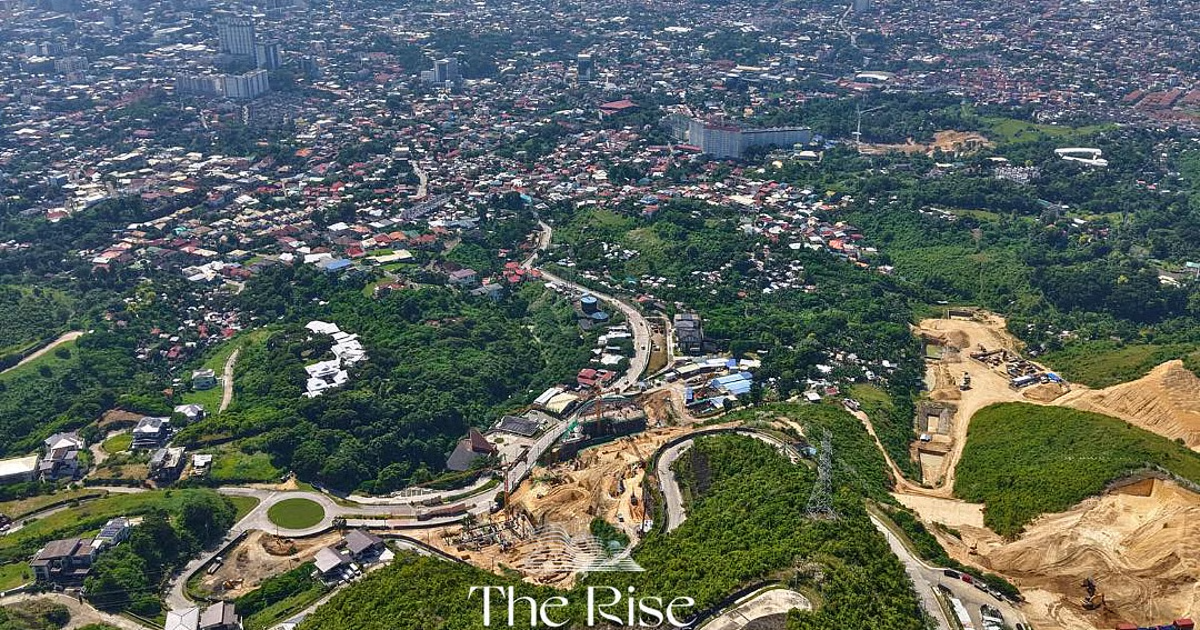
The hills above Cebu City tell a story of progress and risk. Monterrazas de Cebu, a large-scale residential project in Barangay Guadalupe, was built to offer premium hillside living. After the recent typhoon, it has become the center of a serious discussion on how upland developments affect communities below.
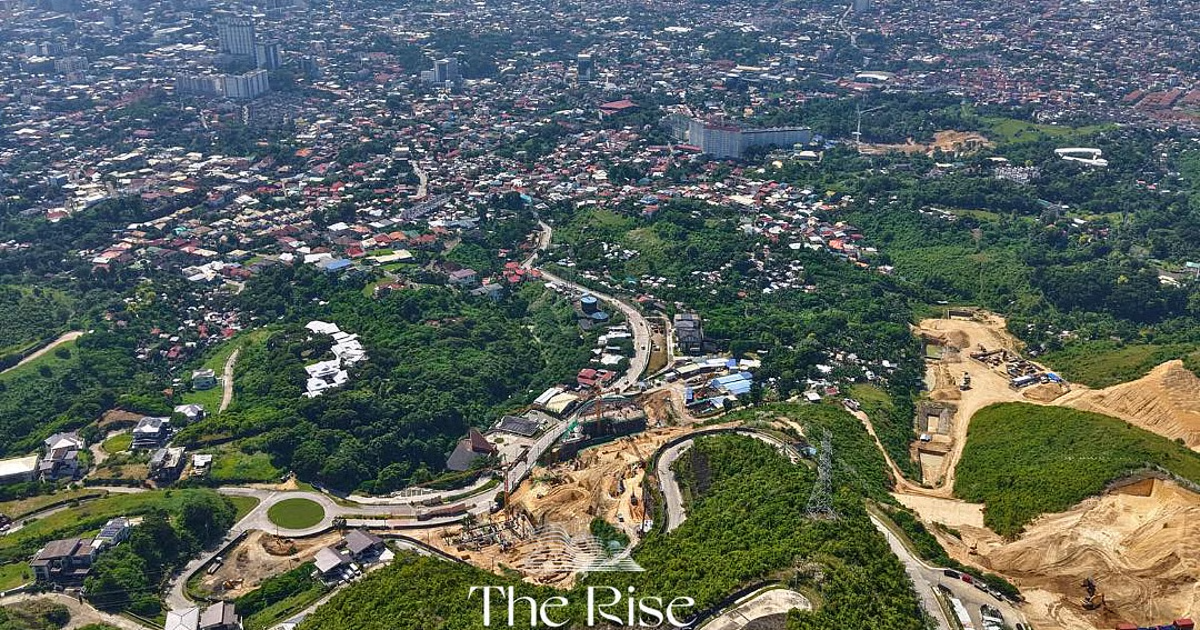
The project is now under 8990 Holdings, a listed real estate company led by Luis Yu Jr. and Mariano Martinez Jr. The firm acquired Monterrazas de Cebu through Genvi Development Corporation in 2019. Since then, 8990 Holdings has positioned the property as part of its move into the high-end residential market.
When heavy rain poured across Cebu, the streets of Banawa filled with waist-deep floodwater. The runoff carried a light brown tint, the color of disturbed limestone soil known locally as anapog. Residents said the water came fast and hard, unlike in previous storms. There was speculation that it might have come from the slopes of Monterrazas. But who is actually responsible?
What Happened

Barangay Guadalupe officials have called for a technical investigation into the project. Their focus is the performance of the site’s drainage and retention systems during the storm.
The Department of Environment and Natural Resources, through its Central Visayas office, has deployed engineers from the Environmental Management Bureau and the Mines and Geosciences Bureau to review the development. The inspection will check whether Monterrazas followed the terms of its Environmental Compliance Certificate and if its slope protection measures worked as designed.
Residents near Banawa and V. Rama Avenue shared videos showing torrents of water coming from the hillside roads. Many said their homes had never flooded until now.
The Real Estate Context
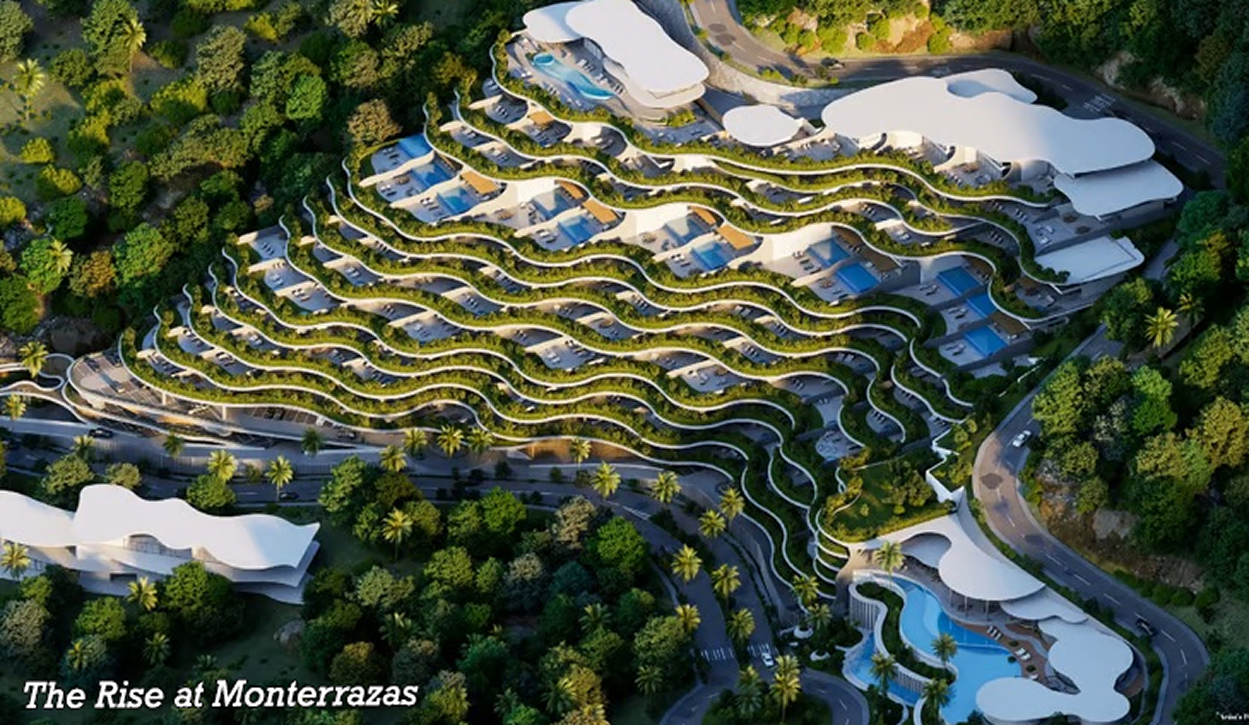
Monterrazas de Cebu covers more than 200 hectares of prime land overlooking the city. Developed by Genvi Development Corporation, it was marketed as an upscale community built on engineering precision and environmental responsibility.
Hillside developments like this are common in Cebu, where flat land is limited. They promise privacy, views, and investment potential. But these same projects come with unique environmental challenges. Removing vegetation and cutting into slopes alters how rainwater moves. When soil is exposed and drainage is not well integrated, runoff can increase sharply during heavy rain.
For brokers, buyers, and investors, this raises key questions. How much can you trust a project’s technical safeguards? Are the promised drainage systems sufficient for current climate conditions? And how will incidents like this affect market perception and long-term value?
What the Investigation Means
The ongoing review will determine whether the developer met all required standards. If deficiencies are found, the government can impose corrective actions, suspend ongoing works, or require additional flood-mitigation measures.
For the real estate community, these findings will shape more than one project. Cebu’s hillsides have become a preferred direction for growth, from high-end subdivisions to mid-rise residential clusters. The Monterrazas case could set a precedent for how drainage, slope stability, and compliance are monitored in the future.
Projects that can demonstrate sound engineering and environmental management will likely gain an advantage. Buyers are becoming more cautious and more informed about geotechnical and flood-related risks.
What Buyers and Brokers Should Check
Whether you are investing, selling, or managing listings on Grid.com.ph, it pays to go beyond the view. Before closing a deal on hillside property, make sure you:
- Ask for copies of the project’s Environmental Compliance Certificate.
- Review the developer’s drainage and slope protection plans.
- Request a recent geotechnical report, especially after major storms.
- Inspect retention ponds and check whether runoff paths connect to public drainage.
- Speak with nearby residents about recent flooding or changes in water flow.
- Conduct soil-testing due diligence to confirm ground stability.
GRID Property Ventures, through its platform grid.com.ph, connects buyers, brokers, and developers across the country. Beyond listings, it offers tools and support for property verification, including access to accredited engineers and surveyors for soil testing and site due diligence. This helps ensure hillside projects meet safety and environmental standards before any sale or investment moves forward.
These steps help you assess both the value and vulnerability of a site. Hillside developments can remain safe and profitable, but they require continuous management and accountability.
A Broader Reminder
The Monterrazas floods highlight a reality that affects all Philippine cities expanding into the hills. As land development moves upward, natural drainage systems change. Storms are getting stronger and more unpredictable.
Real estate growth must now balance elevation with resilience. For buyers, this means weighing the view against the risk. For developers, it means designing beyond compliance, and building for weather patterns that no longer follow old averages.
Responsibility does not rest on developers alone. Every property owner, broker, and buyer plays a part in how the land is used and protected. Even a single household’s construction choices can alter how water moves through a community.
The land does not lie. If water starts flowing where it should not, something upstream has changed.
Looking Ahead
City engineers and DENR Region 7 are expected to release their findings in the coming weeks. Until then, Barangay Guadalupe residents remain cautious. Many are calling for stricter monitoring of hillside projects across Cebu.
For property professionals, the lesson is clear. Land and water always share space. Every cut on a slope changes how the ground behaves when it rains. The future of hillside real estate depends not only on how we build, but on how we listen to what the land is telling us.
A Practical Next Step
GRID makes property due diligence easier. Through grid.com.ph, you can verify listings, review project documents, and confirm key details before closing a deal. Visit grid.com.ph to make informed property decisions.