
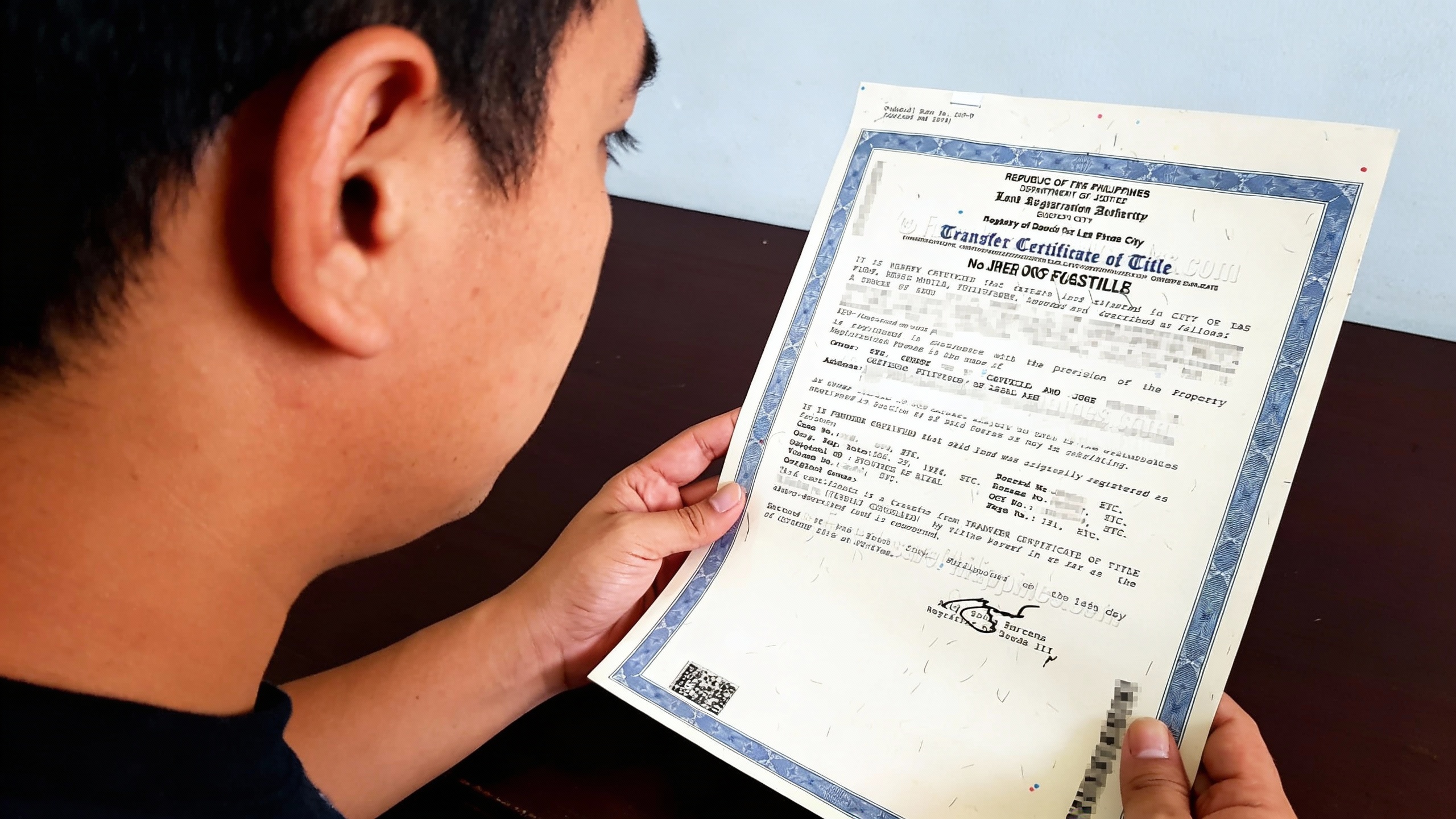
What Is a Title Deed? A Simple Guide for First-Time Buyers
Last Updated: January 05, 2026
Get on the grid - it starts with a demo.
Buying property for the first time is exciting, but it can also feel overwhelming. Between viewings, negotiations, and paperwork, many buyers encounter unfamiliar terms that sound technical and intimidating. One of the most important of these is the title deed.
Understanding what a title deed is and why it matters is essential before you commit to any property purchase. This guide breaks it down in simple terms so first-time buyers can move forward with confidence.
What Is a Title Deed?
A title deed is a legal document that proves ownership of a property. In the Philippines, it shows who owns the land or property, where it is located, and how large it is. It also contains technical details such as boundaries and registered rights tied to the property.
When you buy real estate, the title deed is the primary document that confirms the seller has the legal right to transfer ownership to you. Without a valid title, ownership can be disputed, delayed, or denied altogether.
In simple terms, the title deed answers one critical question. Who legally owns this property?
Why the Title Deed Matters So Much
The title deed is the foundation of property ownership. It protects buyers from fraud, overlapping claims, and illegal sales. Even if a property looks legitimate or has been occupied for years, ownership is only legally recognized if it is properly titled.
For first-time buyers, reviewing the title deed helps ensure:
- The seller is the rightful owner
- The property boundaries match what is being sold
- There are no hidden ownership issues
- The property can be legally transferred
Banks, developers, and government agencies rely on the title deed to validate transactions. If there is an issue with the title, it can delay financing, block registration, or even cancel a sale.
Common Types of Title Deeds in the Philippines
Understanding the type of title attached to a property helps clarify its legal standing.
Transfer Certificate of Title (TCT)
A Transfer Certificate of Title applies to privately owned land. This is the most common title type for residential lots, houses, and many commercial properties.
If you are buying a house and lot or a vacant lot from a private individual, the property should typically have a TCT.
Condominium Certificate of Title (CCT)
A Condominium Certificate of Title applies to condominium units. While the land remains under a master title, each unit owner receives a CCT that proves ownership of their specific unit.
For condo buyers, the CCT is the document that confirms individual ownership.
What Information Is Found on a Title Deed?
A title deed contains several important details that buyers should review carefully.
Key information includes:
- The registered owner’s name
- The location and description of the property
- The lot or unit area
- The title number
- Any annotations, restrictions, or encumbrances
Annotations are especially important. These notes can indicate mortgages, liens, easements, or legal claims attached to the property. Some annotations are normal, but others may require clarification or resolution before purchase.
Original Title vs Certified True Copy
When reviewing documents, buyers often hear about original titles and certified true copies.
The original title is the physical document issued by the Registry of Deeds. Sellers usually keep this secured.
A certified true copy is an official copy issued by the Registry of Deeds and is commonly used for verification. Buyers can request this to confirm that the title presented by the seller matches government records.
For first-time buyers, requesting a certified true copy is a smart step in due diligence.
Common Title Issues Buyers Should Watch Out For
Not all title deeds are clean and ready for transfer. Some common issues include:
- Titles still under a deceased owner’s name
- Missing or unresolved annotations
- Multiple claims or disputed ownership
- Boundary discrepancies
- Fake or tampered titles
These issues do not always mean a property cannot be sold, but they often require legal resolution before ownership can be transferred. This is why proper review and verification are critical.
How Title Transfer Works After Purchase
Once a property sale is completed, the title must be transferred to the buyer’s name. This process involves several steps, including:
- Signing of the Deed of Sale
- Payment of applicable taxes and fees
- Submission of documents to the Registry of Deeds
- Issuance of a new title under the buyer’s name
The process can take time, especially if documents are incomplete or if there are existing title issues. Buyers should always confirm that the transfer process is part of the transaction timeline.
Why First-Time Buyers Should Always Verify the Title
For first-time buyers, verifying the title deed is one of the most important steps in the buying process. It helps avoid costly mistakes and protects your investment.
Even if you trust the seller or developer, verification provides peace of mind. It confirms that the property exists legally, can be transferred, and will not create ownership problems in the future.
Working with licensed brokers, legal professionals, or trusted platforms also helps reduce risk.
How Data and Transparency Help Buyers Make Better Decisions
Modern property search is no longer just about photos and pricing. Buyers now look for transparency, accurate information, and clarity before moving forward.
Access to clear property details, verified listings, and structured information helps first-time buyers understand what they are buying and what documents to expect. This reduces confusion and builds confidence throughout the process.
Knowing what a title deed is and how it works is part of becoming a more informed buyer.
How Grid.com.ph Helps First-Time Buyers Navigate Property Ownership
Grid.com.ph is designed to support clearer and more informed property decisions. By providing structured listings, standardized property details, and better visibility into location and ownership information, Grid helps buyers understand properties before making commitments.
For first-time buyers, this clarity makes the process less intimidating and more manageable. Whether you are reviewing listings, comparing locations, or preparing questions for sellers, Grid helps you approach property ownership with confidence.
Understanding the title deed is one of the first steps toward owning property the right way. With the right information and the right tools, first-time buyers can navigate the process with greater clarity and peace of mind.