
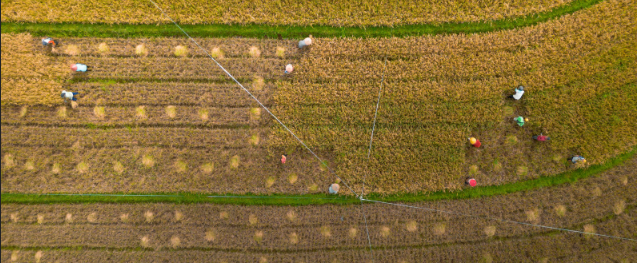
Agricultural Land in the Philippines: Why More Owners Are Exploring Investor Partnerships
Last Updated: April 07, 2026
Get on the grid - it starts with a demo.
Across many provinces in the Philippines, landowners are starting to look at their properties differently. Agricultural land that once sat idle or produced modest income is now attracting interest from buyers and investors looking for long term opportunities.
Rising food demand, regional infrastructure projects, and changing investment trends have created new possibilities for landowners who want to maximize the value of their property. Instead of selling immediately, some are choosing to explore partnerships, leasing arrangements, or strategic investments that allow land to grow in value over time.
Understanding how to position agricultural land in today’s market can help owners unlock opportunities while maintaining control over their assets.
Why Agricultural Land Is Getting More Attention
Agricultural land has always played a major role in the Philippine economy, but investor interest has increased in recent years. Several factors are driving this shift.
First, investors are diversifying beyond traditional condos and residential properties. As urban markets become more competitive, some buyers are exploring provincial land for farming, eco tourism, logistics hubs, or long term development potential.
Second, infrastructure improvements such as new highways, farm to market roads, and regional development plans are changing accessibility in many provinces. Areas that were once considered remote are becoming more attractive to investors looking for growth potential.
Finally, food security and sustainability conversations have encouraged renewed focus on agricultural production. Some investors see farmland as both a business opportunity and a long term asset.
For landowners, this growing interest creates an opportunity to connect with the right partners instead of relying solely on local word of mouth or traditional brokerage networks.
Common Challenges Landowners Face When Finding Investors
Despite rising interest, many agricultural landowners struggle to reach serious buyers or investors. One reason is visibility.
Listings for farmland are often limited to local networks or informal channels, which can make it difficult to attract investors outside the immediate area. Without clear property details, verified documentation, or professional presentation, potential partners may hesitate to move forward.
Another challenge is understanding how to position land as an opportunity rather than just a piece of property. Investors often look for information about accessibility, zoning, soil type, water access, and nearby infrastructure. Without these details, even valuable land can be overlooked.
There is also a growing need for transparency. Buyers want verified listings, accurate pricing expectations, and clear communication before making decisions.
This is where modern property platforms can play a significant role in connecting landowners with a wider audience.
From Idle Land to Strategic Investment Opportunities
Not every landowner wants to sell immediately. Some prefer to explore options such as joint ventures, agricultural partnerships, or phased development.
Agricultural land can support a variety of uses depending on location and zoning. These may include crop production, agri tourism, renewable energy projects, or future residential expansion as nearby areas develop.
Presenting land as a long term opportunity can attract investors who are willing to collaborate rather than simply purchase and flip a property. For owners, this approach can create new income streams while preserving long term value.
Understanding local regulations and working with credible platforms helps ensure that both owners and investors approach these opportunities responsibly.
What Investors Look for in Agricultural Properties
Investors evaluating farmland often focus on practical considerations beyond price alone.
Accessibility remains one of the most important factors. Proximity to major roads, transport hubs, or growing municipalities can influence both current usability and future value.
Utilities and infrastructure also matter. Access to water sources, electricity, and communication networks can significantly impact development potential.
Documentation is another key factor. Clean titles, accurate land classifications, and verified property details help build trust and reduce delays during negotiations.
By preparing these elements ahead of time, landowners can position their property more effectively and attract serious inquiries.
How Technology Is Changing Land Transactions
How Technology Is Changing Land Transactions
Traditional land transactions often relied on personal referrals or physical listings. Today, digital platforms are expanding the reach of property owners and making it easier to connect with investors across regions.
Online property marketplaces allow landowners to showcase detailed listings, including photos, descriptions, and location insights. This transparency helps investors evaluate opportunities more efficiently while giving owners greater control over how their property is presented.
Digital exposure also helps bridge the gap between provincial landowners and urban investors who may be searching for opportunities outside Metro Manila.
As the property landscape evolves, using the right platform can make the difference between a listing that remains unseen and one that attracts meaningful interest.
Tips for Landowners Considering Investor Partnerships
Before listing agricultural land or exploring partnerships, it helps to prepare strategically.
Start by organizing property documents and verifying land classification. Clear documentation builds confidence and speeds up the process when investors begin asking questions.
Next, think about how your land can be positioned. Highlight nearby infrastructure, potential uses, and unique advantages that set the property apart.
It is also important to define your goals. Some owners prioritize immediate sales, while others prefer long term collaborations that allow them to remain involved in the land’s development.
Finally, consider using a platform that focuses on verified listings and transparency. The right exposure can attract buyers who align with your vision and help you avoid unnecessary complications.
A Growing Opportunity for Landowners Across the Philippines
As investment trends evolve, agricultural land is becoming part of a broader conversation about sustainability, regional development, and long term value.
Landowners who understand how to present their property strategically are better positioned to take advantage of this shift. Instead of waiting for the right buyer to appear, many are choosing to actively connect with investors who share their goals.
With the right preparation and the right platform, agricultural land can become more than just an asset. It can become the foundation for new partnerships and future growth.
Connect with Serious Investors Through GRID
If you own agricultural land and want to reach a wider network of buyers or partners, having the right platform can make all the difference.
On Grid.com.ph, landowners can showcase verified listings, highlight property potential, and connect with investors actively exploring opportunities across the Philippines. Whether you are looking to sell, lease, or explore collaboration, GRID provides the visibility and tools needed to present your land with confidence.
Create your listing, reach qualified investors, and start turning your land into a strategic opportunity with GRID.