Solar, Storage, and the City: How Land Availability Shapes the Energy Transition
Last Updated: February 23, 2026
As cities grow, energy planning is becoming one of the most critical parts of urban development. Population growth, rising electricity demand, and sustainability goals are forcing local governments to rethink how and where power is produced. At the center of this shift is a simple but often overlooked factor: land availability.
Renewable energy does not exist in theory. It exists on land. Solar farms, battery storage facilities, substations, and supporting infrastructure all require space, proper zoning, and long-term planning. Without visibility into available land, even the best energy policies struggle to move from vision to execution.
The Energy Transition Is a Land Conversation
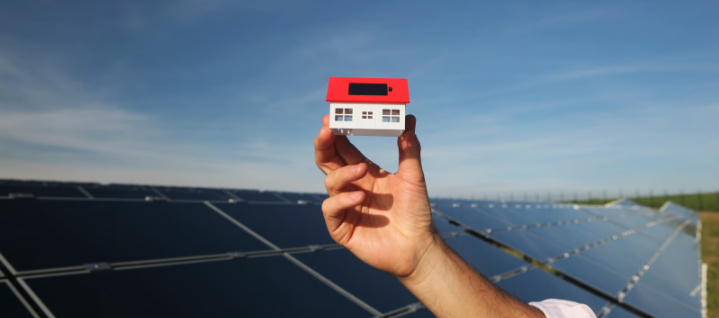
Solar power is one of the most promising solutions for cities looking to reduce reliance on fossil fuels and stabilize long-term energy costs. But deploying solar at scale is not just a technology challenge. It is a land challenge.
Cities must answer practical questions such as:
- Where can solar installations be built without displacing communities?
- Which areas have sufficient space, access, and grid connectivity?
- How can land use support energy needs without conflicting with housing or commercial growth?
Without clear answers, renewable energy projects slow down or fail to move forward at all.
Why Land Visibility Matters for Solar Development
Energy developers often face the same obstacle early in the process: uncertainty. Even when a city supports renewable energy in principle, identifying suitable land can take months or years.
Challenges typically include:
- Fragmented land ownership
- Outdated or unclear zoning classifications
- Limited access to centralized land data
- Misalignment between landowners and city priorities
When land availability is unclear, projects stall before feasibility studies even begin. Better visibility shortens timelines, reduces risk, and encourages investment.
Solar Farms Need the Right Kind of Land
Not all land is suitable for solar development. Factors such as size, location, zoning, topography, and proximity to existing infrastructure all matter.
Ideal solar sites often share these characteristics:
- Large contiguous parcels
- Minimal residential conflict
- Access to transmission lines or substations
- Zoning that permits energy or utility use
When cities understand where these parcels exist, they can guide development instead of reacting to proposals after the fact.
Battery Storage Is the Missing Piece
Solar generation is only part of the equation. As cities adopt more renewable energy, battery storage becomes essential for managing supply and demand.
Battery facilities also require land. While smaller than solar farms, they still need proper siting, safety buffers, and zoning approval.
Without early planning for storage locations:
- Grid reliability suffers
- Renewable adoption slows
- Cities remain dependent on traditional power sources
Land planning that accounts for both generation and storage creates a more resilient energy system.
How Cities Can Plan Energy More Strategically
The most effective cities treat energy planning as part of land use planning. Instead of addressing power needs separately, they integrate energy considerations into zoning, development plans, and long-term growth strategies.
This approach allows cities to:
- Identify energy suitable zones in advance
- Align infrastructure investments with land availability
- Reduce approval delays for renewable projects
- Encourage private sector participation
When cities lead with clarity, developers respond with confidence.
The Role of Data in Energy Ready Cities
Modern energy planning requires accurate and accessible land data. Cities need to know what land exists, who owns it, how it is zoned, and whether owners are open to development or partnership.
Platforms like Grid help bridge this gap by making land more visible and easier to evaluate. When land information is centralized, conversations move faster and decisions improve.
Better data leads to:
- More realistic energy roadmaps
- Faster feasibility assessments
- Stronger public private collaboration
What This Means for Landowners
Landowners are a critical but often underutilized part of the energy transition. Many own land that may not be ideal for residential or commercial development but could support energy infrastructure.
Solar and storage projects offer landowners:
- Long-term lease opportunities
- Stable income without selling land
- Participation in future focused development
However, these opportunities only surface when landowners understand their options and when cities create clear pathways for energy use.
Aligning Zoning With Energy Goals
Zoning can either unlock or block renewable energy progress. When zoning codes do not account for modern energy uses, projects face unnecessary resistance.
Cities that update zoning to support renewable energy create:
- Clear expectations for landowners
- Faster approval processes
- More predictable outcomes for developers
Zoning clarity does not mean unrestricted development. It means intentional planning that balances growth, sustainability, and community needs.
Energy, Land, and the Future of Cities
The transition to renewable energy is not a distant goal. It is already underway. The cities that succeed will be those that understand energy as a land driven strategy, not just a technical upgrade.
By improving land visibility, aligning zoning with energy goals, and engaging landowners early, cities can move from ambition to action.
Solar panels and batteries may power the future, but land determines where that future can begin.