Buying Raw Land for Renewable Energy and Commercial Use in the Philippines: What Investors Should Know
Last Updated: April 07, 2026
Get on the grid - it starts with a demo.
Raw land is quickly becoming one of the most strategic assets for investors looking toward renewable energy development and long-term commercial growth. As infrastructure expands and sustainability initiatives gain momentum across the Philippines, land that may appear undeveloped today can become a valuable foundation for solar projects, logistics hubs, industrial facilities, or mixed-use commercial developments.
Unlike traditional income-producing properties, raw land requires a forward-looking mindset. Investors are not just evaluating what exists today, but what the land can support in the future. Understanding zoning regulations, infrastructure access, and renewable energy potential can help buyers make informed decisions that align with both environmental trends and long-term commercial demand.
Why Raw Land Is Becoming More Attractive to Commercial Investors
Commercial real estate markets continue to evolve as businesses adapt to changing consumer behavior, supply chain needs, and sustainability goals. Renewable energy projects, particularly solar developments, are increasing interest in large parcels of land outside dense urban centers.
For investors, raw land provides flexibility that built commercial properties often lack. Without existing structures or tenants, buyers have the freedom to shape the property based on emerging market opportunities. This flexibility makes raw land appealing for those planning future energy developments, industrial expansions, or strategic land banking.
Additionally, infrastructure expansion across major regions in the Philippines is opening new corridors for commercial growth. Areas once considered too remote for development are becoming viable options as roads, utilities, and business hubs expand outward from major cities.
Understanding Renewable Energy Opportunities on Raw Land
Renewable energy, especially solar power, has become one of the most common commercial use cases for large land parcels. Solar installations require open space, strong sun exposure, and proximity to energy infrastructure such as transmission lines or substations.
Investors considering renewable energy use should evaluate:
- Sun exposure and environmental conditions
- Accessibility for construction and maintenance
- Nearby electrical infrastructure
- Environmental or agricultural restrictions
Some investors choose to develop renewable energy projects directly, while others lease land to energy developers. Leasing arrangements can create recurring income streams without requiring full operational involvement, making them appealing for landowners focused on long-term stability.
Hybrid commercial uses are also emerging. Certain developments combine renewable energy installations with industrial or agricultural operations, creating diversified revenue potential while maximizing land efficiency.
Key Factors to Evaluate Before Buying Raw Land
Zoning and Land Use Regulations
Not all land is automatically suitable for commercial or energy development. Zoning classifications determine what activities are permitted, and local regulations may impose environmental restrictions that influence how a property can be used.
Before purchasing land, investors should verify:
- Current zoning designation
- Permitted commercial or industrial uses
- Environmental compliance requirements
- Potential rezoning opportunities
Understanding regulatory limitations early helps investors avoid costly delays or redevelopment challenges later.
Infrastructure and Accessibility
Raw land intended for commercial or renewable energy use should be evaluated based on access to essential infrastructure. Road connectivity, proximity to transport routes, and access to utilities can significantly affect development feasibility.
For renewable energy projects, access to power lines or substations is especially important. Even well-located land with ideal environmental conditions may face limitations if connecting to existing energy infrastructure is difficult or expensive.
Topography and Environmental Conditions
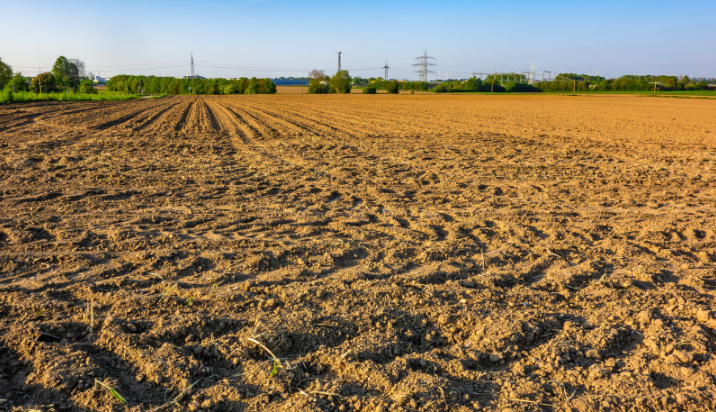
Physical characteristics of the land play a major role in determining suitability for development. Flat terrain is often preferred for solar installations and industrial facilities because it reduces construction complexity and cost.
Investors should consider:
- Land slope and soil stability
- Flood risk or environmental hazards
- Natural vegetation or protected areas
Conducting site assessments or environmental studies can provide valuable insights into potential development challenges.
Long-Term Market Trends
Raw land investments often require patience. Unlike income-generating commercial properties, land may not produce immediate cash flow. Instead, investors rely on appreciation driven by future infrastructure projects, business expansion, or renewable energy demand.
Monitoring regional growth trends, government infrastructure plans, and commercial expansion patterns can help investors identify land with strong long-term potential.
Commercial Use Cases Beyond Renewable Energy
While renewable energy is a major driver of raw land demand, commercial investors are also exploring other development opportunities, including:
- Logistics and distribution facilities
- Industrial warehouses
- Transport terminals or staging areas
- Future mixed-use commercial hubs
As e-commerce and supply chain networks expand, land located near highways or transport routes may become attractive for logistics development. Industrial growth outside traditional business districts is also creating new demand for larger parcels suitable for manufacturing or warehousing.
By viewing raw land as a flexible commercial asset rather than a single-purpose investment, buyers can adapt to changing market needs over time.
Risks and Challenges Investors Should Consider
Raw land investments offer significant potential but also come with unique risks. One of the primary challenges is the longer development timeline. Investors may need to hold land for several years before major commercial or renewable energy opportunities materialize.
Other risks include:
- Unexpected zoning changes or regulatory shifts
- Delays in infrastructure projects
- Environmental compliance requirements
- Limited liquidity compared to built properties
Proper due diligence, including legal review and feasibility assessments, helps reduce these risks and ensures that investment decisions are based on realistic expectations.
Building a Long-Term Strategy for Raw Land Investment
Successful land investors typically approach acquisitions with a clear strategy rather than relying solely on speculation. Some buyers focus on leasing land to renewable energy operators, while others acquire parcels in emerging growth areas and hold them until infrastructure development increases demand.
Key considerations for building a long-term strategy include:
- Identifying target industries or commercial use cases
- Evaluating regional economic growth patterns
- Planning for holding costs and maintenance
- Staying informed about infrastructure expansion and policy changes
By aligning land purchases with broader commercial and sustainability trends, investors can position themselves to benefit from future development opportunities.
The Future of Renewable Energy and Commercial Land in the Philippines
As renewable energy adoption continues to expand and businesses seek more space for logistics and industrial operations, raw land is becoming an increasingly strategic asset class. Investors who understand both environmental considerations and commercial development trends may find opportunities in areas that are still early in their growth cycle.
Rather than viewing undeveloped land as inactive property, many buyers now see it as a flexible platform for innovation, sustainability, and long-term commercial expansion. Careful planning, strong due diligence, and a forward-thinking investment mindset can help transform raw land into a valuable component of a diversified real estate portfolio.
Interested in exploring raw land opportunities for renewable energy or future commercial use?
Grid helps investors discover land listings, evaluate development potential, and stay informed about emerging opportunities across the Philippine property market. Explore available land and commercial investment insights on Grid today.